_edited.png)
Climate Change and Modular Homes
As the climate continues to shift, we need to be proactive in our country's infrastructure. Growing threats are reshaping the way we think about home design: stronger winds, (hurricanes, tornados, severe thunderstorms), torrential rains, and more intense wildfires. Traditional homes often fall short when it comes to protecting families from these hazards—but modular homes offer a resilient and sustainable alternative.
Briefly, here's why this innovative approach to construction is becoming a smart choice for forward-thinking homeowners:
Modular homes are built differently than traditional stick-built homes. They’re constructed in factories under strict quality control, where materials and methods are optimized for strength, consistency, and durability.
Built to Higher Standards: Modular homes are often over-engineered compared to site-built homes to withstand transportation to the site. This results in stronger joints, reinforced framing, and tighter construction.
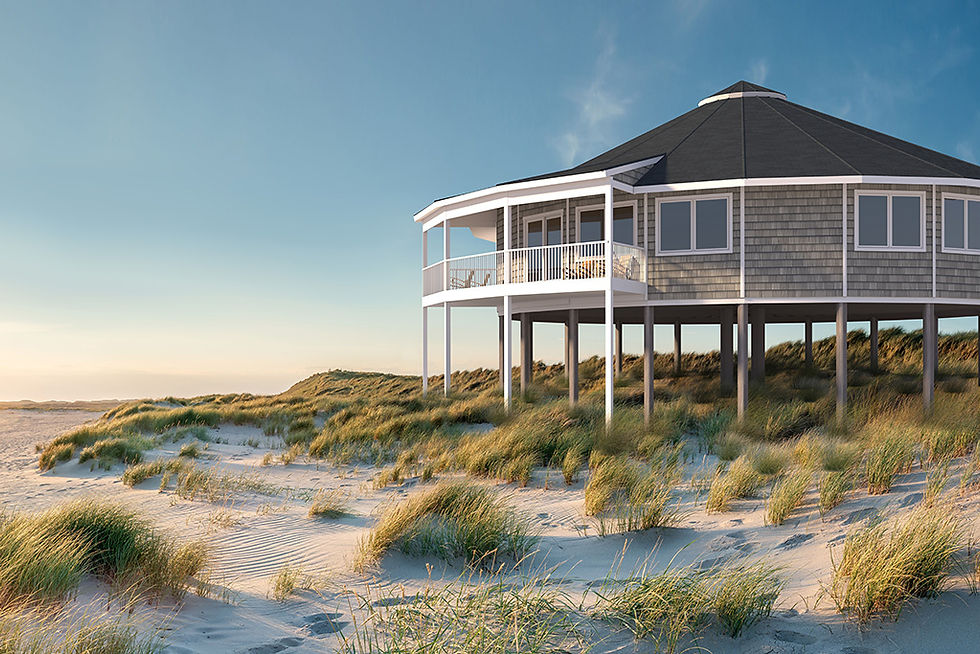
Wind Resistance: The structural integrity of modular units makes them better able to withstand high wind loads. With proper anchoring systems and hurricane strapping, these homes can be designed to meet or exceed hurricane-zone building codes, such as those in Florida or the Gulf Coast.
If installed correctly, have the potential to be flood resistant. My personal experience building with SIP panels and speaking with industry experts, theoretically SIP Panels can provide a home with flood resistant design. The OSB would need to be dried out immediately with fans and dehumidifiers to maintain its structural integrity, but the closed cell foam core would provides a complete block.
Modular homes can also be fire resistant due to having an airtight envelope. Through precise material fitting and consistent application of fire-rated materials, gaps where embers and smoke could enter would be eliminated. By modular homes having fire-rated walls and floors for their transportation, when constructed the home has a built in fire brake and can isolate the spread of fire within the home itself. Fire resistant design can also be done with strategic landscaping within ten feet of a home.
Air pollution from wildfires, especially fine particulate matter (PM2.5), can seep into leaky homes and pose serious health risks. Airtight envelopes in modular homes make a big difference here.
Reduced Air Infiltration: Airtight construction limits uncontrolled airflow through the walls, roof, and foundation. This minimizes the pathways for smoke and outdoor pollutants to enter.
Improved Filtration: With a tight envelope, you can control how fresh air enters your home. When combined with high-efficiency ventilation systems like ERVs or HRVs and MERV 13+ filters, you can maintain healthy indoor air even when the outside air is hazardous.

An airtight envelope doesn’t just protect you from outdoor threats, it also reduces your energy bills and carbon footprint.
Less energy demand: When a home is sealed tight, your heating and cooling systems don’t have to work as hard. This results in lower utility bills and longer equipment life.
Net Zero Potential: Airtight modular homes pair perfectly with solar panels and battery storage, allowing homeowners to move toward energy independence, even in disaster-prone regions.
In addition to resilience and health, modular construction offers other major advantages:
Faster Construction Time: Modular homes can be built 30–50% faster than traditional homes, which is critical after a disaster when housing demand spikes.
Less Waste: Factory-built homes use materials more efficiently and generate less on-site waste.
Consistent Quality: Controlled factory conditions eliminate common site-built issues like warping, moisture damage, or scheduling delays.
As FEMA is increasingly called out around the country for disaster relief, a common theme remains:
We need to be more proactive with our new builds, remodeling, and retrofitting. In my opinion, no region is immune to the intense weather changes that have been taking place over the last twenty years. Whether you're thinking about protecting your family, reducing your environmental impact, or preparing for climate extremes, modular homes deliver safety, comfort, and long-term value.


Comments